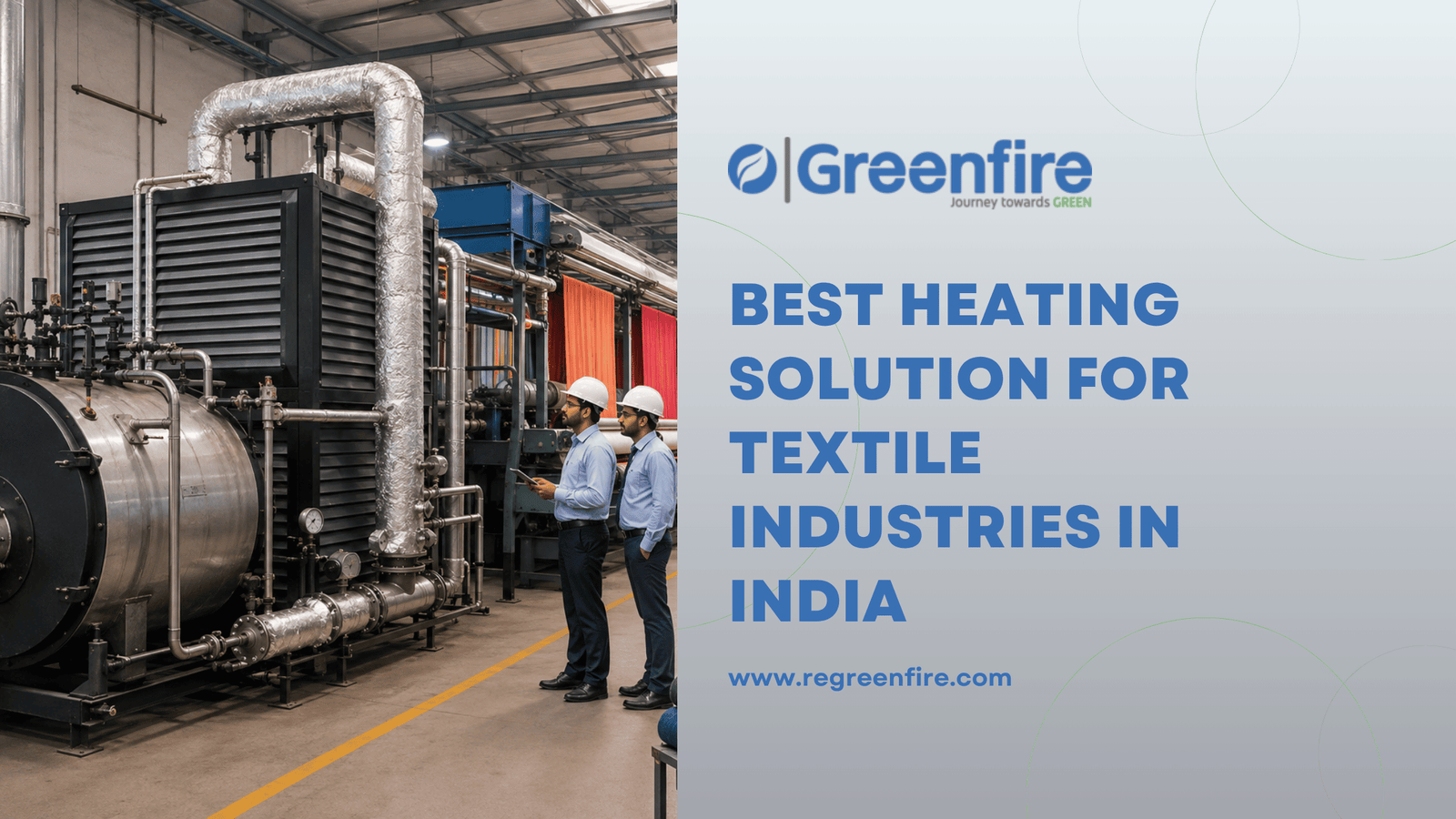
Heat is the core component of the textile manufacturing process. Every step, starting from dyeing to drying and finishing heat, plays an important part. Without a steady supply of heat, the production process becomes difficult; the result is poor quality of fabric, reduced productivity, and high costs.
That's precisely why the choice of more textile producers in India is the industrial biomass burner. This burner uses biomass as its source of fuel, which is sustainable, giving you reliable heat without having to incur many costs in buying fuel.
In this guide, we will discuss why Indian textile companies find it necessary to install biomass heaters in their facilities, how they work, what their advantages are, and things to consider when using biomass heaters.
Why Heating Matters in Textile Manufacturing
Textile production needs controlled, consistent heat at every step. Even a small temperature swing can throw off colour, texture, or finish.
Processes that rely heavily on heat include:
- Fabric drying
- Dyeing and bleaching
- Printing
- Steam generation
- Heat setting
- Washing and finishing
Get the heating right, and you get fewer defects, less downtime, and better output overall.
Why Traditional Fuels Are Getting Harder to Justify
Most units still run on diesel, furnace oil, LPG, or coal. These fuels have done the job for decades, but they're becoming a bigger headache every year.
Here's what manufacturers are dealing with:
- Rising fuel prices
- High running costs
- Heavier emissions
- Tighter pollution norms
- Unpredictable fuel supply
When margins are already thin, these costs eat straight into profit. That's pushing a lot of textile businesses to look at renewable alternatives seriously.
Industrial Biomass Pellet Boiler: A Smarter Way to Heat
Industrial biomass wood pellet boiler heat by burning organic waste materials, stuff that would otherwise go unused.
Common biomass fuels include:
- Biomass pellets
- Wood chips
- Briquettes
- Sawdust
- Rice husk
- Groundnut shells
- Cotton stalks
Instead of paying premium prices for imported fossil fuels, manufacturers can tap into biomass that's grown and processed right here in India.
Newer burner models come with automated fuel feeding and proper combustion control, so they hold up well even in continuous, round-the-clock operations.
Benefits of Biomass Burners for Textile Units
Real Fuel Cost Savings
Fuel is one of the biggest recurring expenses on a textile unit's balance sheet.
Biomass is usually cheaper than diesel, LPG, or furnace oil. Since a lot of it is sourced locally, transport costs stay low too.
Add that up over months, and the savings become hard to ignore.
Cleaner, Greener Heating
Sustainability isn't optional anymore, especially for exporters.
Biomass comes from plant material that regrows naturally, which is why it's classed as renewable. It also burns with far fewer greenhouse gas emissions than coal or oil.
For units supplying international buyers, this can genuinely strengthen your sustainability credentials.
Stable, Reliable Heat
Fabric doesn't forgive inconsistent heat.
A well-set-up biomass burner gives:
- Even fabric drying
- Better dye uptake
- Fewer rejects
- Steadier finish quality
That kind of consistency is exactly what dyeing and finishing units need.
Less Reliance on Imported Fuel
India imports a huge chunk of its fossil fuel, and that leaves manufacturers exposed to global price swings.
Biomass fuel is grown and processed domestically. Switching to it means you're less at the mercy of international oil prices and more connected to local suppliers.
Built for Large-Scale Production
Big textile units running long shifts and high fabric volumes need heating that doesn't quit.
Modern biomass burners are designed exactly for that — continuous operation without a drop in performance.
Textile Segments That Benefit the Most
Biomass heating works well across most textile categories, including:
- Cotton mills
- Synthetic fabric units
- Garment processing
- Dyeing houses
- Printing units
- Home textile manufacturing
- Towel and denim production
- Yarn processing plants
Clusters in Gujarat, Tamil Nadu, Punjab, and Maharashtra are already exploring this switch actively.
What to Check Before Installing a Biomass Burner
Production Capacity
Match the burner to your actual daily heat load. Undersized or oversized systems both hurt efficiency.
Availability of Fuel
Ensure that there is a constant biomass availability all through the year rather than during certain seasons only.
Automation Requirement
Automation of the process helps to minimize manual efforts and errors.
Ease of Maintenance
Go for machinery that is easy to clean and maintain.
Emission Standards
It is important to ensure that the technology complies with the standards of the pollution control board in the area.
Common Mistakes to Avoid
- Neglecting heat load calculations
- Purchasing poor quality and cheap fuel
- Ignoring maintenance schedules
- Selecting suppliers with no technical support
- Considering price alone rather than long-term savings
Avoiding these will ensure that your burner continues working efficiently for years.
Practical Tips for Better Efficiency
- Dry and high-quality biomass fuel
- Regular inspection
- Train workers on how to handle fuel
- Check combustion efficiency
- Keep the ash chamber clean
- Fuel consumption trends
Little things such as these really help cut the cost of operation.
Conclusion
For textile producers who want to save on fuel, be efficient and use environmentally friendly techniques, there is an option of using the biomass burner for industrial use India, which will provide a sustainable and practical solution for their heating requirements.
When thinking about a heating boiler system for your textile facility, you should contact the experts at Regreenfire, who will advise you about the correct burner configuration.
FAQs
1. Are biomass boilers suitable for all kinds of textile industries?
Yes, as they are suitable for the process of dyeing, finishing, garment processing, yarn making, and drying of fabrics.
2. What kind of biomass fuels are used in India?
Biomass pellet, briquette, wood chip, rice husk, sawdust, and cotton stalk.
3. Does the use of a biomass boiler save heating costs?
Yes, it does since biomass fuel is cheaper than diesel, LPG, and furnace oil.
4. Is maintenance required for a biomass burner?
It does require maintenance, but automation has made that easier.
5. Are industrial biomass burners environment-friendly?
Yes, they are since biomass is a renewable source of fuel and also burns better than fossils.