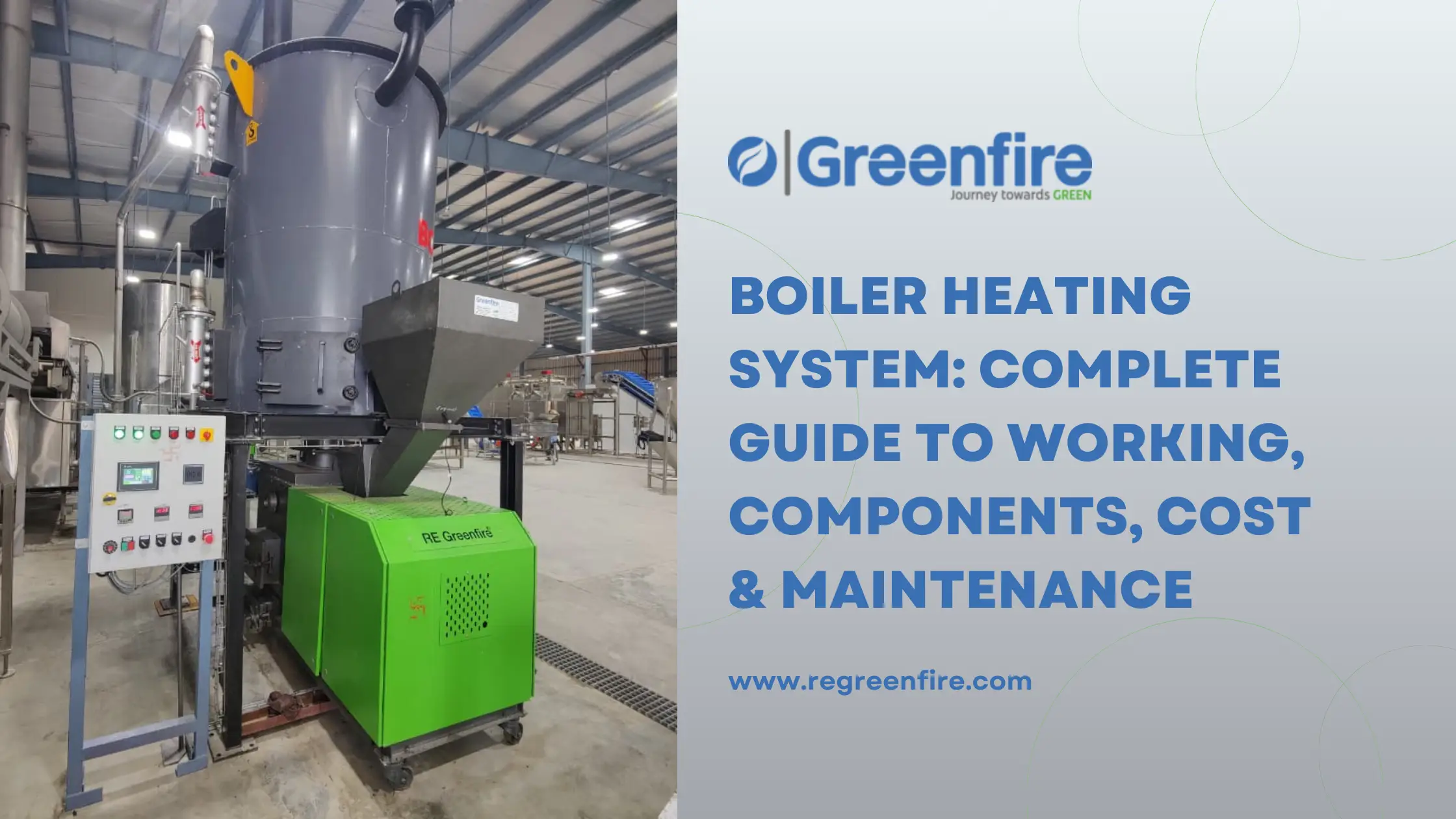
Introduction
The boiler heating system is one of the major heating solutions used in different sectors to provide steam, hot water, and heat for industrial processes.
Some of the industrial sectors that rely on boiler systems for heating in various industrial uses include: textiles, food processing, pharmaceuticals, chemicals, packaging, and manufacturing.
Properly designed heating boiler systems will help companies achieve stability in their production processes and increase efficiency and reduce operational downtime.
However, choosing the right heating system involves knowledge of:
- How it operate
- Types of boilers
- Components of the boiler
- Costs of installation
- Operation techniques
- Maintenance procedures
Given that industries today are concerned with fuel efficiency and sustainability in energy, boiler systems have also advanced to include clean fuel-based boiler systems like biomass heating systems.
This guide provides all information on heating systems for boilers, starting from basic principles to component description, cost and maintenance.
What is an automatic heating boiler system?
An automatic heating boiler system is a heating equipment system where heat energy from fuel or any other source is used to produce steam or hot water for industrial, commercial or residential applications.
Basically, a boiler converts the energy released from the burning fuel to useful heat.
Steam produced by the boiler is distributed to various machinery that requires heat.
Typical components of this heating system are as follows:
- Boiler unit
- Burner system
- Fuel system
- Water circulation system
- Control system
- Safety accessories
- Heat distribution system
Where Are Heating Systems Used for Boilers?
They are extensively used in:
| Industry | Application |
| Textile Industry | Dyeing, drying and processing |
| Food Processing | Cooking, heating and drying |
| Pharmaceutical Industry | Manufacturing processes |
| Chemical Industry | Process heating |
| Packaging Industry | Drying and thermal applications |
| Manufacturing Units | Industrial heating requirements |
| Paper Industry | Steam-based processes |
How Does Boiler Heating System Work?
The boiler heating process depends upon the process of heat generation and distribution.
The following are the four processes in this process:
1. Fuel Combustion
The fuel combustion process begins when the fuel is fed into the combustion chamber.
Fuel and air burn in the process to generate combustion and heat.
Some Common fuels include:
| Fuel Types | Examples |
| Biomass Fuel | Wood Pellets, Biomass Pellets |
| Gas Fuels | LPG, PNG, CNG |
| Liquid Fuels | Diesel, Furnace Oil, LDO |
| Electric | Electrical Heating Elements |
2. Heat Transfer
The heat produced by combustion is then transferred into the water present in the boiler.
Depending upon the design of the boiler:
- Water changes into steam
- Water is heated for circulation
- Heat energy is transferred to process equipment
3. Steam or Hot Water Distribution
The steam or hot water produced is transferred by piping to different applications.
Applications:
- Industrial Machinery
- Dryers
- Heating Chamber
- Processing Equipment
4. Condensate Recovery
In a steam boiler system:
- Heat is transferred by steam
- Steam condenses back to water
- Condensate is fed back to the boiler
It saves energy and uses less water.
Working Procedure of an Industrial Heating System
| Step | Process |
| 1 | Entry of fuel into the combustion process |
| 2 | Burning of fuel to produce heat |
| 3 | Transfer of heat to water |
| 4 | Steam/hot water produced |
| 5 | Heat is supplied for industrial uses |
| 6 | Condensate is collected and used again |
Types of Boiler Heating Systems
The boiler system is selected differently according to different industries depending upon the heat needed and availability of fuels, etc.
1. Steam Boiler System
The steam heating system produces steam using heated water.
Steam is commonly used since it has a great ability to transfer heat energy.
Uses:
- Textile industry
- Food processing
- Medicine manufacture
- Chemicals processing
Advantages:
- Effective in transferring heat energy
- Used in industrial processes
- Used in large scale processes
2. Hot Water Boiler System
The hot water boiler process involves heating of water and circulation through pipelines.
These systems are used where hot water needs to be supplied rather than steam.
Uses:
- Industrial Heating
- Commercial Heating
- Process Applications
3. Biomass Boiler System
The biomass boiler heating system works on renewable sources of energy like wood pellets for producing heat.
Biomass boilers are becoming more popular among industries because of:
- Lower reliance on fossil fuels
- Lower cost of fuel
- Sustainable energy source
- Cleaner combustion
Greenfire Energy offers an automatic biomass boiler for industries needing biomass heating solutions.
4. Gas Fired Boiler System
The fuels used in gas-fired boilers include:
- LPG
- PNG
- CNG
- Natural Gas
Benefits:
- Automated functioning
- Clean burning
- Ease of fuel availability
5. Oil Fired Boiler System
The liquid fuels used in oil fired boiler systems are:
- Diesel
- Furnace Oil
- LDO
Such types of boiler systems are often used when there is infrastructure for liquid fuel.
Components of a Boiler Heating System
Boiler heating systems are made up of various components, whose combination will result in generation of heat, combustion control, energy transfer and the safe distribution of steam or hot water.
Every component performs a unique function for efficient and safe operation of the boiler.
Main Parts of a Boiler Heating System
| Component / Parts | Function / Use |
| Boiler Furnace / Combustion Chamber | Place where fuel burns to produce heat. The combustion chamber is specially designed in such a way that the fuel can burn effectively to generate heat. |
| Burner System | Control of the combustion process by the correct mixing of fuel with air so that there is continuous heat production. |
| Heat Exchanger | Transfer of heat produced in the combustion gases into the water to produce steam or hot water. |
| Boiler Shell | Primary component that holds water and steam in the process of heating. |
| Fuel Feeding System | Continuous supply of fuel to the burner. There are automatic feeders available that increase efficiency. |
| Water Feed System | Provides treated water to the boiler for steam or hot water production. |
| Pump System | The circulation of water through the heating system and flow control. |
| Control Panel | Controls temperature, pressure, fuel supply and other automated processes. |
| Pressure Gauge | It is responsible for measuring the pressure of the boiler to ensure its safety. |
| Safety Valve | It helps to release the pressure from the boiler to protect it from harmful situations. |
| Chimney / Exhaust System | Helps in removing the combustion products from the boiler system. |
| Ash Removal System | It removes the ash formed during the burning process, especially in biomass boilers. |
Importance of Boiler Components for Efficient Performance
All parts of the boiler's heating system are essential to ensure efficient performance.
Efficient Burner System
An effective burner will provide:
- Combustion
- Effective fuel use
- Efficiency of heat production
- Fuel conservation
Advanced Fuel Feeding System
The automatic feeding of fuel helps to:
- Maintain continuous operation
- Reduction of manual effort
- Constant fuel flow
- Controlled combustion
Reliable Control System
In modern boilers, there is use of a PLC system for control purposes of:
- Temperature
- Pressure
- Fuel supply
- Operation conditions
The automation process makes the heating process safer and consistent.
Proper Water Management System
Quality of water affects boiler efficiency.
Bad quality water leads to:
- Scaling
- Corrosion
- Decreased heat transfer efficiency
- Increased maintenance needs
How To Use a Boiler Heating System?
The use of a boiler heating system needs a set of usage instructions to be safe, effective, and long-lasting.
Step 1: Check Before Starting
Before starting, the following things need to be checked:
- Water level
- Fuel availability
- Electricity supply
- Safety equipment
- Pressure gauge
Step 2: Start the Boiler System
The overall process involves:
- Turning on the control system
- Fuel supply
- Combustion initiation
- Allowing sufficient time for the boiler to achieve operating temperature
Step 3: Monitor Operating Parameters
While operating, regularly monitor:
| Parameter | Purpose |
| Temperature | Maintains required heating parameters |
| Pressure | To remain within safe operational parameters |
| Fuel Consumption | To assist in monitoring efficiency |
| Water Level | Preventing operational problems |
| Steam Output | Ensures production needs are fulfilled |
Step 4: Adjust According to Requirement
The output of the boiler needs to be adjusted depending on:
- Production requirements
- Steam requirements
- Heat load requirements
- Process requirements
The boiler control is automatic in relation to temperature and pressure feed.
Step 5: Safe Shutdown
Once the operation is completed:
- Stop fuel supply
- Allow the system to cool down
- Check the operating condition
- Shut down as recommended by the manufacturer
How To Operate a Boiler Heating System?
A boiler heating system requires experienced people and supervision for its proper functioning.
Important Operating Practices
1. Understand Boiler Controls
It is important for the operator to be aware of:
- Functioning of control panel
- Temperatures
- Pressures
- Safety alarms
2. Monitor Fuel Supply
It is necessary to regulate the fuel supply because any irregularity in fuel supply will affect the following:
- Combustion process
- Heat generation
- Operation of boilers
For biomass boilers, automatic pellet feeding will help maintain a steady fuel supply.
3. Maintain Correct Pressure & Temperature
Not doing so may cause:
The process should be carried out at the right pressure and temperature.
- Low efficiency
- Machine stress
- Safety problems
4. Perform Regular Inspections
Inspection by operators on a regular basis of:
- Condition of burner
- Fuel system
- Water level
- Safety systems
- Points of leakage
Cost To Install Boiler Heating System
Boiler heating system installation costs will depend on various factors such as the size of the boiler, fuel type, level of automation and requirements of the application.
Installation cost cannot be fixed, as each industry needs a different system.
Factors Affecting Boiler Installation Cost
| Factor | Impact on Cost |
| Boiler Capacity | More heating capacity requires larger equipment and higher investment. |
| Fuel Type | Systems using biomass, gas, oil, and electricity have different equipment costs. |
| Automation Level | Automatic systems could have higher initial investment but reduced manual operation. |
| Installation Requirement | Piping, electrical installation, chimneys, and accessories will also be costly. |
| Fuel Storage System | Biomass systems may involve storage of pellets or fuel handling facilities. |
| Customisation | Price is influenced by industry-specific changes. |
| Operating Hours | Higher usage requirements may require more solid systems. |
Boiler Installation Cost Based on System Requirements
| Requirement | Cost Consideration |
| Small Capacity Boiler System | Lower cost for machinery and equipment installation |
| Medium Industrial Boiler | Need higher-capacity equipment and components |
| Large Industrial Boiler System | Complete engineering, installation, and servicing required |
| Automatic Boiler System | Includes advanced controls and fuel management systems |
What Should Industries Consider Before Installation?
Before selecting an industrial heating boiler, they should evaluate:
1. Required Heating Capacity
Identify:
- Steam requirement
- Heat load
- Production requirement
2. Available Fuel Source
Consider:
- Fuel availability
- Fuel cost
- Storage requirements
- Long-term sustainability
3. Operating Efficiency
Evaluate:
- Fuel consumption
- Automation features
- Maintenance requirements
- Expected operating life
4. After-Sales Support
Choose a manufacturer that provides:
- Installation support
- Technical assistance
- Spare parts availability
- Maintenance support
Maintenance Boiler Heating System: Essential Checks for Safe and Efficient Operation
Routine maintenance for a boiler heating system is required to increase efficiency, promote safety, and increase the life of equipment.
A well-maintained boiler system assists industries in:
- Prevention of unnecessary breakdowns
- Increase fuel efficiency
- Maintain consistent heating performance
- Lower cost of repairs
- Increase operational reliability
Maintenance requirements depend on:
- Boiler type
- Fuel used
- Operating hours
- Industrial application
- Manufacturer recommendations
Daily Maintenance Checklist
Daily inspections help identify small issues before they become major problems.
| Maintenance Check | Purpose |
| Check water level | Ensures safe boiler operation |
| Monitor pressure | Maintains operation within safe limits |
| Check temperature | Ensures required heating performance |
| Inspect fuel supply | Maintains continuous operation |
| Check unusual noise or vibration | Identifies mechanical issues |
| Check leakage | Prevents water or fuel loss |
Weekly Maintenance Activities
Weekly maintenance generally includes:
Burner Inspection
Check:
- Combustion performance
- Fuel supply
- Air supply
- Flame quality
A properly adjusted burner improves fuel efficiency and reduces emissions.
Cleaning of Combustion Area
Remove:
- Ash deposits
- Carbon buildup
- Residue accumulation
This helps maintain proper heat transfer.
Check Safety Components
Inspect:
- Pressure valves
- Gauges
- Temperature controls
- Alarm systems
Monthly Boiler Maintenance
Monthly checks should include:
- Inspection of heat exchanger
- Cleaning of filters
- Checking electrical connections
- Inspection of pumps
- Checking fuel feeding mechanism
- Testing control panel functions
Annual Boiler Maintenance
A complete annual inspection should include:
| Maintenance Activity | Purpose |
| Boiler inspection | Check overall equipment condition |
| Efficiency testing | Measure performance |
| Burner servicing | Maintain combustion quality |
| Safety testing | Ensure safe operation |
| Component replacement | Replace worn parts |
Common Boiler Heating System Problems & Solutions
A boiler heating system may experience operational issues due to poor maintenance, incorrect operation or improper system design.
| Problem | Possible Cause | Solution |
| Reduced heating efficiency | Scaling or deposits | Clean the system and maintain water quality |
| Higher fuel consumption | Poor combustion | Check burner settings and fuel supply |
| Low steam output | Incorrect operating conditions | Inspect system capacity and controls |
| Frequent shutdown | Safety issues or control faults | Check sensors and safety devices |
| Excessive ash generation | Poor fuel quality or combustion settings | Optimise fuel and combustion process |
| Corrosion | Poor water quality | Improve water treatment practices |
Benefits of Proper Boiler Heating System Maintenance
Regular maintenance provides several advantages:
Improved Efficiency
Clean and properly adjusted systems transfer heat more effectively and consume less fuel.
Reduced Operating Cost
Preventive maintenance reduces:
- Repair expenses
- Fuel wastage
- Production downtime
Longer Equipment Life
Regular inspection and servicing protect important components from damage.
Better Safety
Maintenance ensures:
- Proper pressure control
- Functional safety devices
- Reliable operation
How To Improve boiler heating Efficiency?
Industries can improve boiler performance by following these practices:
1. Use the Right Fuel
Selecting suitable fuel improves combustion efficiency.
For industries using biomass systems, quality wood pellets help achieve stable combustion.
2. Maintain Proper Water Quality
Poor water quality can cause:
- Scaling
- Corrosion
- Reduced heat transfer
Proper water treatment improves boiler reliability.
3. Optimise Combustion Settings
The correct fuel and air ratio helps achieve efficient combustion.
4. Use Automation
Modern automated boiler systems provide:
- Better temperature control
- Fuel optimisation
- Reduced manual intervention
5. Monitor Energy Consumption
Regular performance monitoring helps identify efficiency losses.
Biomass Boiler for Heating: A Sustainable Heating Solution
Biomass heating systems are one of the alternatives that are being looked at as replacements for existing conventional heating systems in industries.
A biomass boiler for heating is one which utilizes biomass fuel like wood pellets to provide heat energy.
Advantages of Biomass Boiler Systems
| Benefit | Explanation |
| Renewable Fuel Source | Uses biomass-based fuel instead of conventional fossil fuels |
| Lower Fuel Dependency | Reduces reliance on oil and gas fuels |
| Automated Operation | Modern systems offer automatic fuel feeding |
| Efficient Combustion | Controlled combustion improves performance |
| Industrial Applications | Suitable for process heating requirements |
According to the Ministry of New and Renewable Energy (MNRE), India had 9,821.32 MW of installed biomass (bagasse) cogeneration capacity and 1,047.85 MW of non-bagasse biomass cogeneration capacity as of 31 August 2026.
Source :- https://mnre.gov.in/en/physical-progress/
Why Choose Automatic Wood Pellet Boiler Systems?
One of the most efficient means of solving industrial heating requirements would be the automatic wood pellet boiler system.
Features include:
- Automatic pellet feeding
- Control of combustion
- Minimal human interference
- Consistency in heat generation
- Suitable for industry
ReGreenfire Energy manufactures automatic wood pellet boiler systems which are appropriate for industries that require heating systems with high efficiency.
These heating systems are applicable where there is a need for industries to have better performance in terms of efficiency.
How to Select the Right Biomass Boiler?
Before choosing a biomass boiler for heating, industries should evaluate:
1. Heating Requirement
Understand:
- Required temperature
- Heat load
- Operating hours
2. Fuel Availability
Consider:
- Fuel cost
- Availability
- Storage requirements
- Long-term suitability
3. System Capacity
Choose a system based on:
- Production requirement
- Steam demand
- Future expansion plans
4. Automation Requirement
Evaluate whether the system requires:
- Automatic fuel feeding
- PLC control
- Remote monitoring
5. Manufacturer Support
Consider:
- Installation assistance
- Technical support
- Spare availability
- Maintenance service
Conclusion
Industrial heating boilers play an important role in industries where there is a constant need for heat production.
Knowing what a heating boiler is, how it operates, its parts, how to operate it, the installation cost and maintenance needs help in choosing the appropriate system for industries.
A well-designed and maintained boiler system increases efficiency and ensures better performance.
Now that the industries are shifting to sustainable energy resources, biomass boilers like the automatic wood pellet boilers become one of the good options to cut down on the dependence on fuels.
Choosing the proper type of boiler, fuel, and maintenance system would lead to efficient heating for many years.
Frequently Asked Questions (FAQs)
1. What is boiler heating system?
Boiler heating systems are equipment used in the heating of water to produce either steam or hot water, using either fuel or energy.
2. How does a industrial heating boilers function?
The industrial heating boilers works through burning the fuel source to create heat that is going to heat up the water.
3. What are the main components of the heating boiler system?
Main components are:
- Burner
- Combustion chamber
- Heat exchanger
- Fuel system
- Water feed system
- Control panel
- Safety valves
- Exhaust system
4. How much does it cost to install a boiler heating system?
The cost depends on:
- Boiler capacity
- Fuel type
- Automation level
- Installation requirements
- Accessories required
A customised quotation is usually provided based on industrial requirements.
5. How often should biomass boiler for heating be checked for service?
The answer to that lies in the usage pattern and the guidelines of the manufacturer. Yearly monitoring, maintenance, and inspection are recommended.
6. How can one safely operate a biomass boiler for heating?
Safe operation of a boiler requires well-trained operators who will constantly monitor temperature and pressure and take care of the fuel.
7. What are common industrial heating boilers maintenance activities?
Common maintenance includes:
- Burner inspection
- Cleaning combustion areas
- Checking safety devices
- Inspecting fuel systems
- Testing controls
8. Do industries use biomass boilers in their heating systems?
Yes, biomass boilers are used in the heating systems of industries where the organizations require sustainable fuel sources to generate heat.
9. What kind of fuel is used in the biomass boiler?
The most common types of fuels that are used in biomass boiler systems include wood pellets and biomass fuel sources.
10. How can boiler efficiency be improved?
Boiler efficiency can be improved through:
- Proper maintenance
- Correct fuel selection
- Regular monitoring
- Efficient combustion control
- Water quality management