Operating a manufacturing plant or an industrial unit isn’t easy, and that goes for heating costs too. In order to dry, boil, or process materials, large amounts of energy are consumed every day.
However, due to increasing fuel prices in 2026, companies are finding it difficult to meet the demands. The ultimate question here would be how industries can cut down on heating costs without compromising on production?
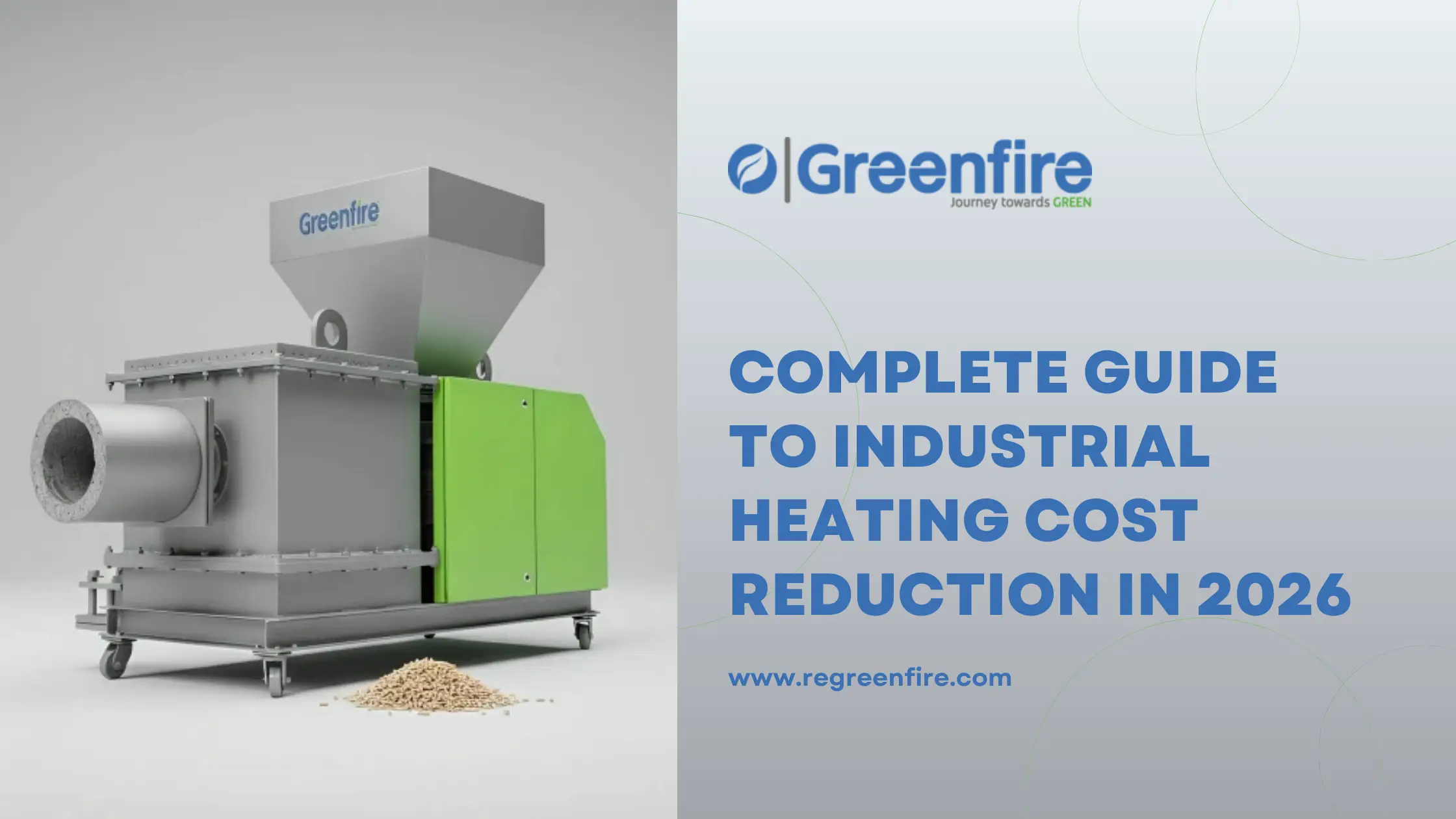
And the solution to this problem couldn’t get easier, industrial biomass burners.
First of all, what is the problem?
Fuel used in most industries include:
- Diesel Fuel
- Furnace Oil
- LPG
- Coal
Such fuels are:
- Costly
- Environmentally unfriendly
- Highly volatile (their prices constantly fluctuate)
Thus each and every rise in the cost of such fuels leads to financial losses for organizations.
What Are Industrial Biomass Burners?
Think about this:
If you can’t afford to burn fuel, why not burn organic materials to produce heat instead?
Well, that is precisely how biomass burners work.
These burners make use of items such as:
- Wood chips
- Saw dust
- Rice husks
- Coconut shells
- And agricultural wastes.
These are usually considered waste materials but are converted into energy by biomass burners.
So basically, it’s like turning waste into fuel.
Why Biomass Burners Save Money
Let’s break it down in the simplest way.
1. Fuel Costs Less
The cost of biomass fuel is significantly lower compared to that of diesel and gasoline.
For instance:
- Diesel: Costly
- Biomass: Significantly cheaper
Just this factor alone lowers heating expenses by 30% to 60%.
2. Stable Prices
The prices for fossil fuels rely heavily on international market trends. This makes them volatile and unpredictable.
- However, when it comes to biomass, it is:
- Always locally available
- Easy to access
Hence, the price becomes much more predictable.
3. Reducing Waste = Saving Money
Several industries generate wastes that include wood dust and agricultural residues.
Rather than dumping it, they can utilize it for energy production.
This leads to:
- No waste management expenses
- Zero fuel expenses
In other words, a win-win situation.
4. Machines Are Smarter Now
The present biomass burners are not out of date because they have:
- Auto feeding systems
- Temperature regulation
- Enhanced burning efficiency
As a result:
- There is no waste of fuel
- There is higher heat generation
Thus, you will achieve improved performance and lower costs.
5. Maintenance Is Easier
Modern equipment is made in such a way that it works without problems.
They:
- Fail less frequently
- Have less manual handling
- Save time and money
What About the Environment?
This is very important in 2026.
Governments are making strict rules to reduce pollution. Companies that don’t follow these rules may have to pay penalties. Here’s where biomass helps.
Cleaner Energy
Biomass is considered more eco-friendly because:
- It produces less harmful gases
- It uses natural materials
Lower Carbon Impact
Plants absorb carbon dioxide when they grow. When biomass is burned, it releases that same carbon.
So overall, it doesn’t add extra pollution like fossil fuels do.
Possible Government Benefits
In many places, businesses using biomass can get:
- Subsidies
- Tax benefits
- Incentives
So you save money not just on fuel, but also through government support.
Which Industries Can Use Biomass Burners?
Mostly all industries where heat is used may use biomass burners.
Some examples are:
- Textile Industries
- Food Processing Plants
- Pulp & Paper Mills
- Chemical Industry
- Ceramics Industries
If your industry requires heating, then biomass burners may be useful.
Things to Check Before Buying biomass burner
Not all biomass burners are the same. Here are some simple things to look for:
Easy to Use
Choose a system that is:
- Automatic
- Simple to operate
Can Use Different Fuels
A good burner should work with different types of biomass. This gives you flexibility.
Strong and Long-Lasting
Industrial machines run for long hours. So make sure the burner is:
- Durable
- Made with quality materials
Clean Burning
Look for a system that produces:
- Less smoke
- Less pollution
Are There Any Problems with Biomass Burners?
Yes, but they are easy to manage.
Storage Space
Biomass takes more space than liquid fuel.
Solution:
Store it properly in a dry area.
Initial Cost
The machine may cost more at the start.
Solution:
You recover the cost quickly because fuel is cheaper.
Fuel Supply
You need a steady supply of biomass.
Solution:
Work with local suppliers or plan your sourcing in advance.
Why More Businesses Are Switching
In 2026, industries are becoming smarter.
They want:
- Lower costs
- Better efficiency
- Cleaner operations
Biomass burners help achieve all three.
That’s why more and more companies are making the switch.
Final Thoughts
Let’s keep it simple.
Industrial heating is expensive—but it doesn’t have to stay that way.
By using industrial biomass burners, businesses can:
- Spend less on fuel
- Use waste in a smart way
- Reduce pollution
- Follow government rules
It’s a practical and smart solution for today’s world.
If you are planning to upgrade your heating system and exploring biomass options then platforms like Regreenfire.com can be a great first step.
FAQs on Industrial Biomass Burners
1. What are industrial biomass burners?
Industrial biomass burners are heating systems that use natural waste materials like wood chips, rice husk, and sawdust to produce heat instead of traditional fuels like diesel or coal.
2. How much cost can industries save using industrial biomass burners?
Industries can typically save around 30% to 60% on heating costs depending on fuel usage and availability of biomass.
3. Which industries can use industrial biomass burners?
Industries like textiles, food processing, paper mills, chemicals, and ceramics can all benefit from using biomass burners.
4. What is the main challenge of using biomass burners?
The main challenges include storage space for fuel, initial investment, and maintaining a steady fuel supply—but all of these can be managed with proper planning.